Hajj vs Umrah: the differences, rite by rite
What sets Hajj apart from Umrah: which is obligatory, when each can be done, the rites only Hajj has, how long each takes, the visas and the reward.
4 min read
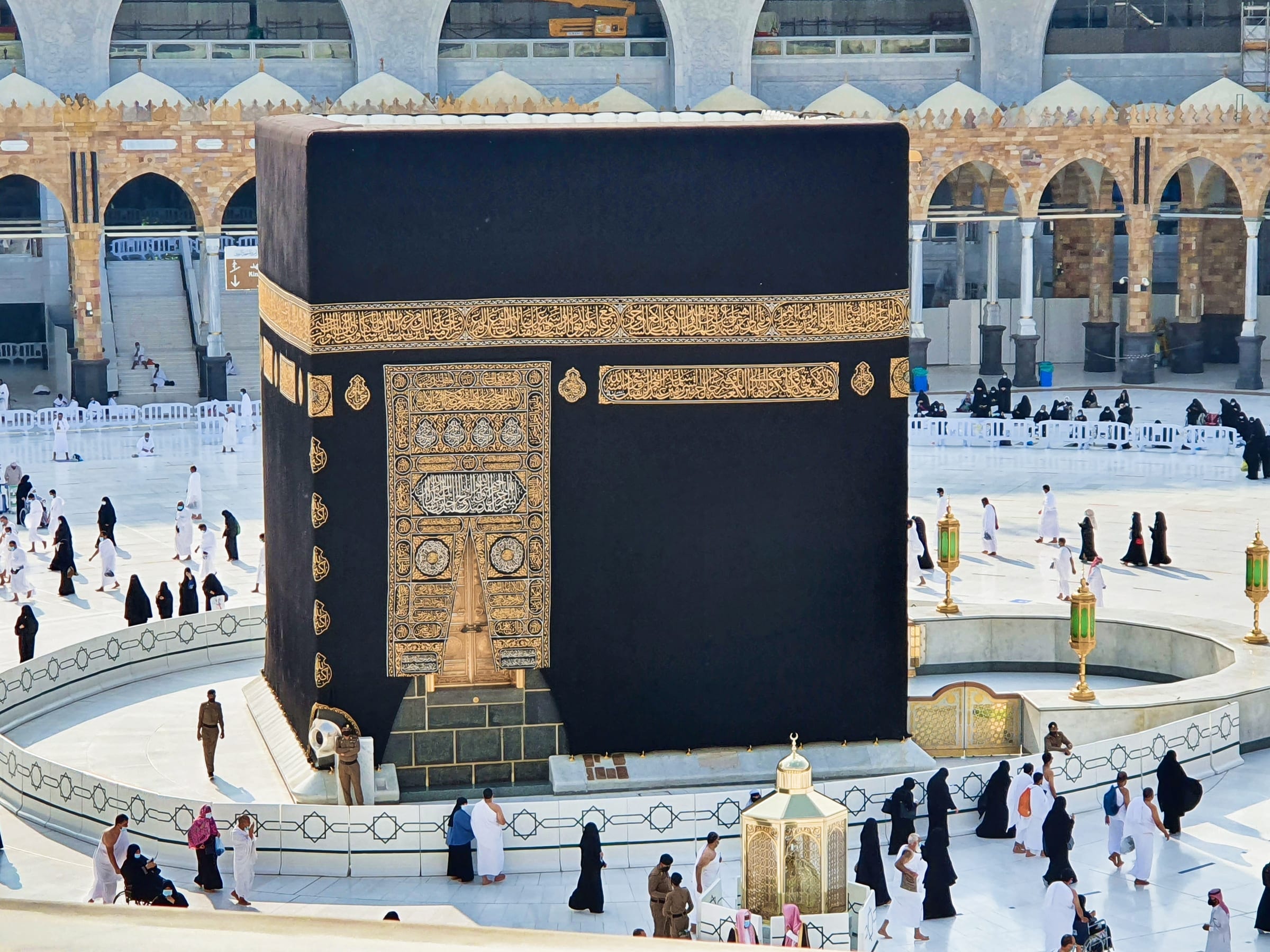
Hajj and Umrah are both journeys to the Kaaba in ihram, with tawaf and sa'i, which is why Umrah is called the lesser pilgrimage. Hajj adds the standing at Arafat, the nights at Muzdalifah and Mina and the stoning of the Jamarat, all on a few set days of the year. Allah says: "Complete the Hajj and the Umrah for Allah" (Al-Baqarah 2:196).
Which one is obligatory?
Hajj is the fifth pillar of Islam. Every adult Muslim who is able to make the journey must perform it once in a lifetime: "Pilgrimage to the House is a duty owed to Allah by everyone who is able to find a way to it" (Al Imran 3:97).
Umrah is obligatory once in a lifetime in the Shafi'i and Hanbali schools, and a confirmed sunnah in the Hanafi and Maliki schools. On either view, performing Umrah doesn't lift the duty of Hajj.
When each can be performed
Hajj has set days and is valid on no others: 8 to 13 Dhul Hijjah, with the Day of Arafah, the 9th, at its heart. For 1448, the Day of Arafah is expected around 15 May 2027, subject to the moon sighting.
Umrah can be performed at any time of year, but for visitors from abroad the season pauses before Hajj. In the 1448 season, Umrah visas are issued until 9 March 2027, the last day to enter the Kingdom is 23 March and the last day to leave is 7 April.
The rites
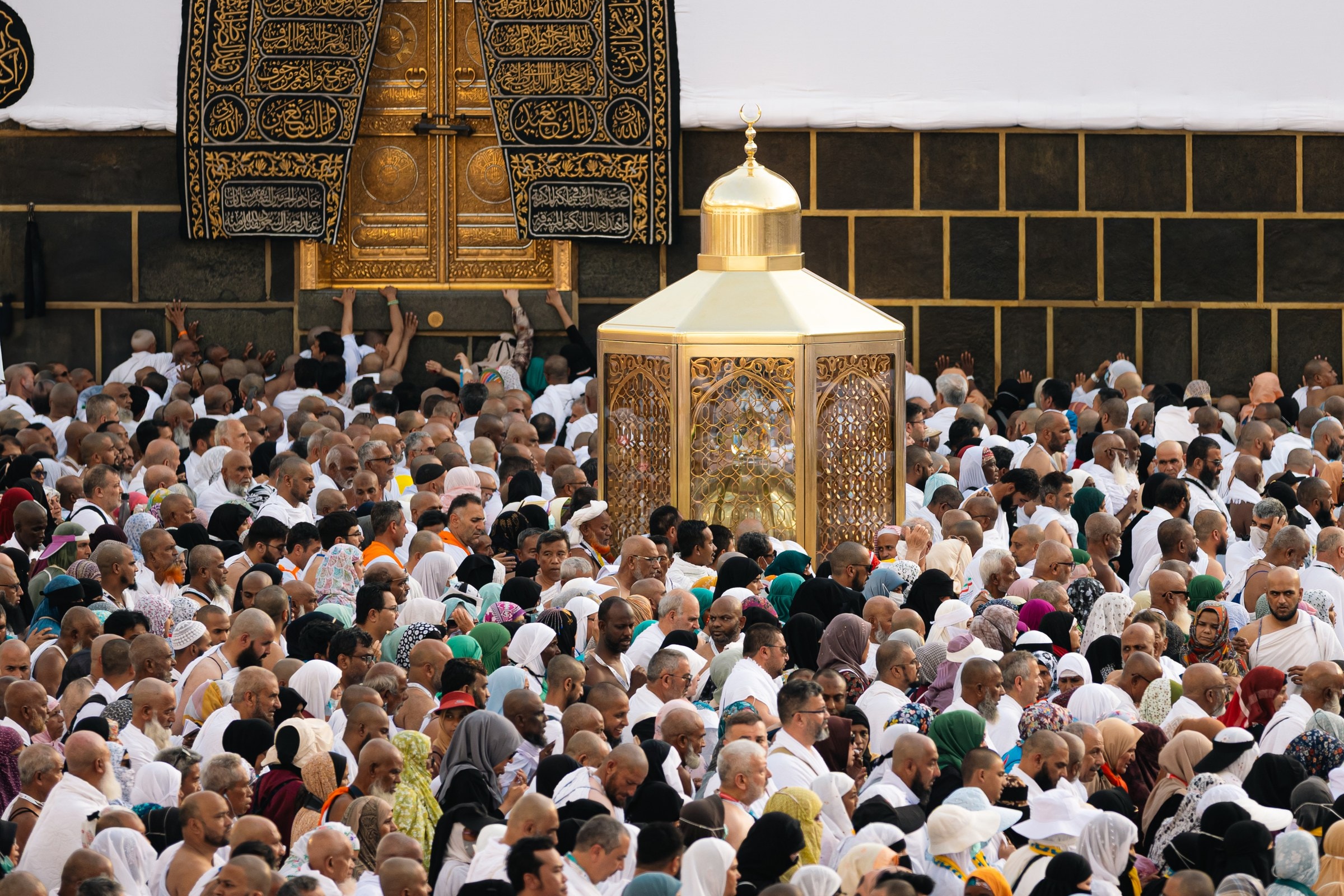
Umrah has four rites: ihram from the miqat, seven circuits of tawaf around the Kaaba, seven laps of sa'i between Safa and Marwah, then shaving or cutting the hair. Most pilgrims finish in a few hours, longer when it's crowded. Our guide to performing Umrah step by step covers each one.
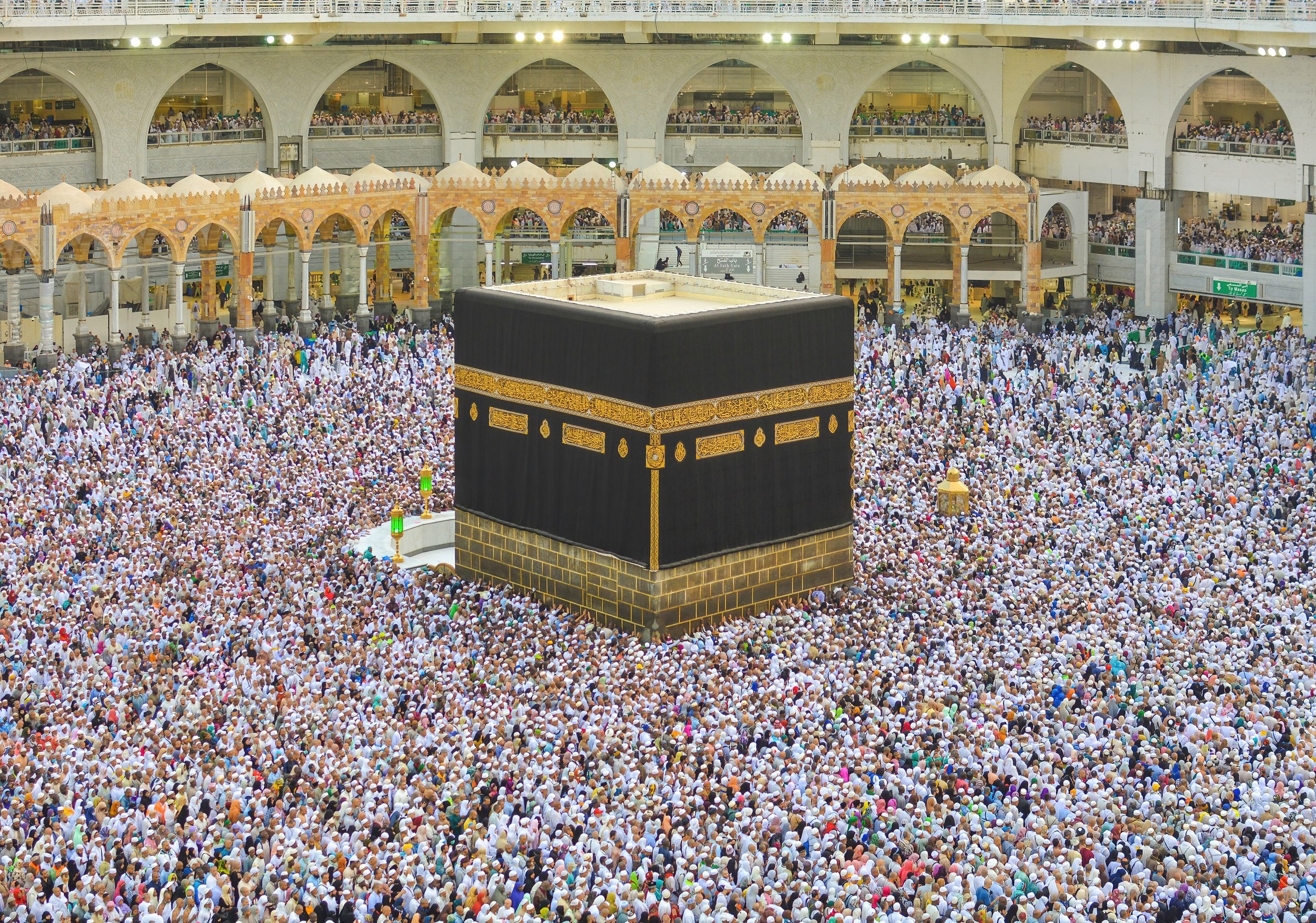
Hajj includes all of this and more:
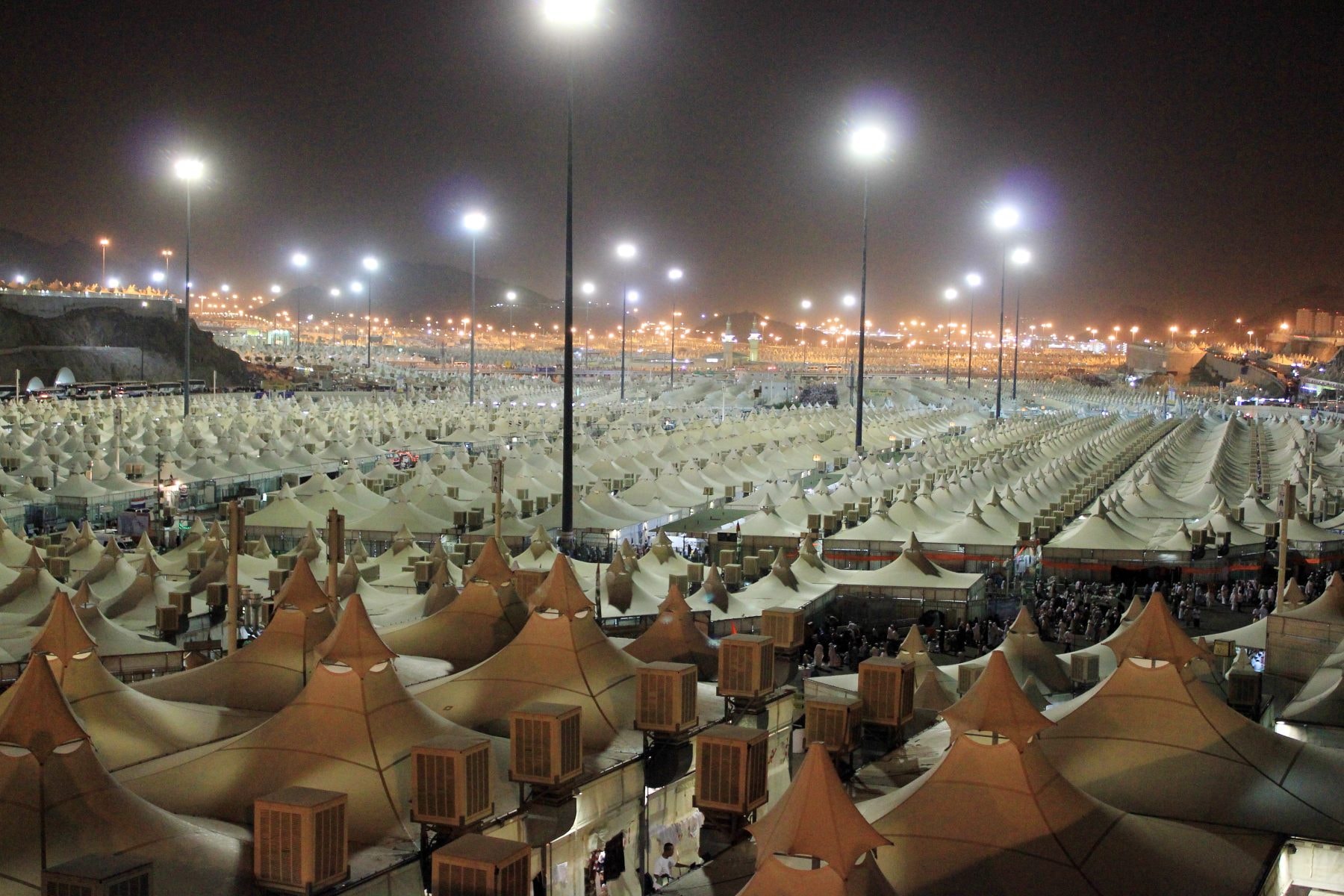
- The 8th, the Day of Tarwiyah: pilgrims performing tamattu' put on ihram for Hajj where they are staying, and everyone moves to Mina to pray there.
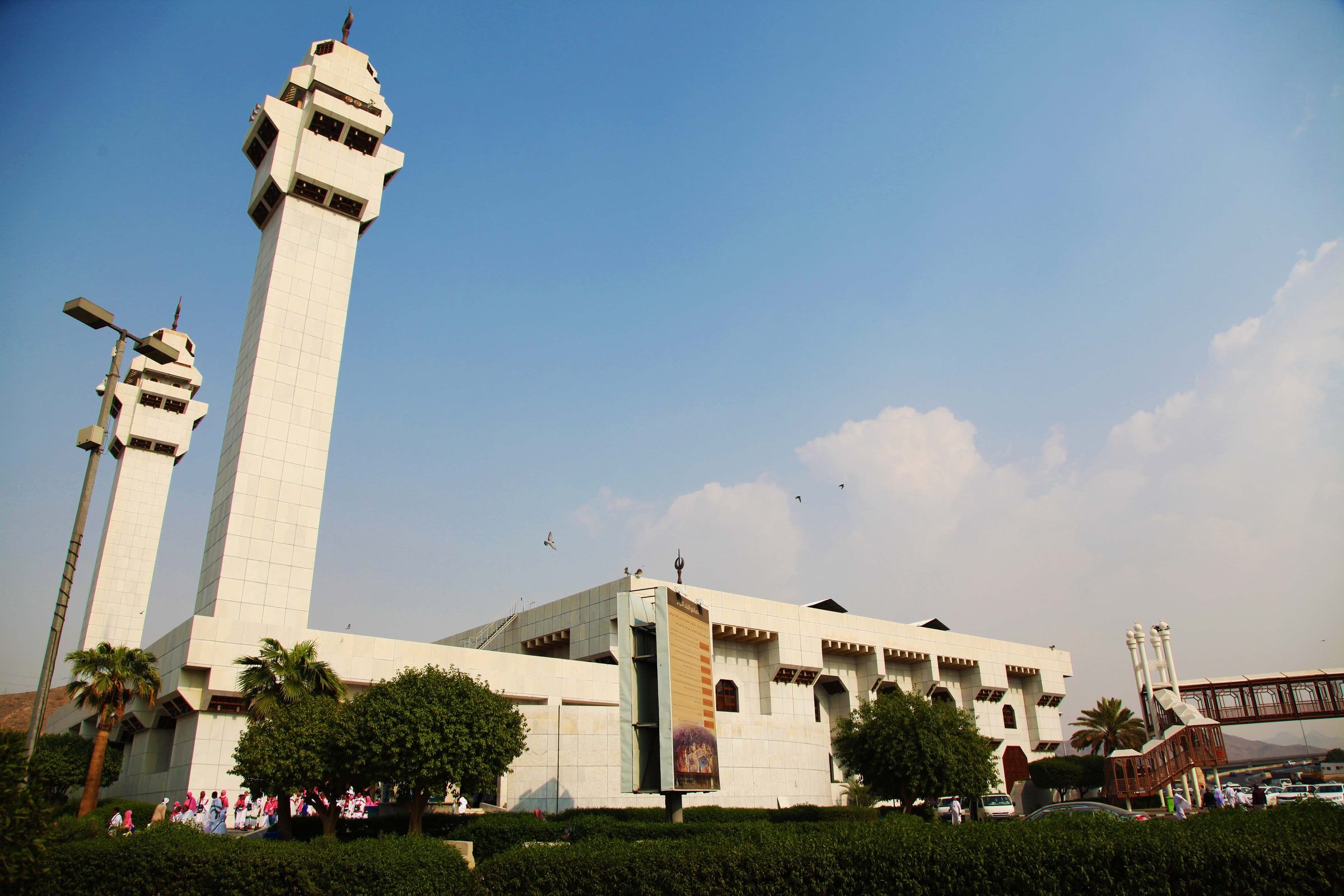
- The 9th, the Day of Arafah: the standing at Arafat from midday until sunset, the greatest pillar of Hajj. The Prophet ﷺ said: "Hajj is Arafah" (at-Tirmidhi). The night is then spent at Muzdalifah.
- The 10th, the Day of Sacrifice: stoning Jamrat al-Aqabah, the sacrifice, shaving or cutting the hair, then Tawaf al-Ifadah, and sa'i for those who still owe it.
- The days of Tashreeq, the 11th and 12th (and the 13th for those who stay on): nights in Mina, and stoning all three Jamarat each day after midday.
- Finally, the farewell tawaf before leaving Makkah.
Anyone who misses the standing at Arafat has missed Hajj that year.
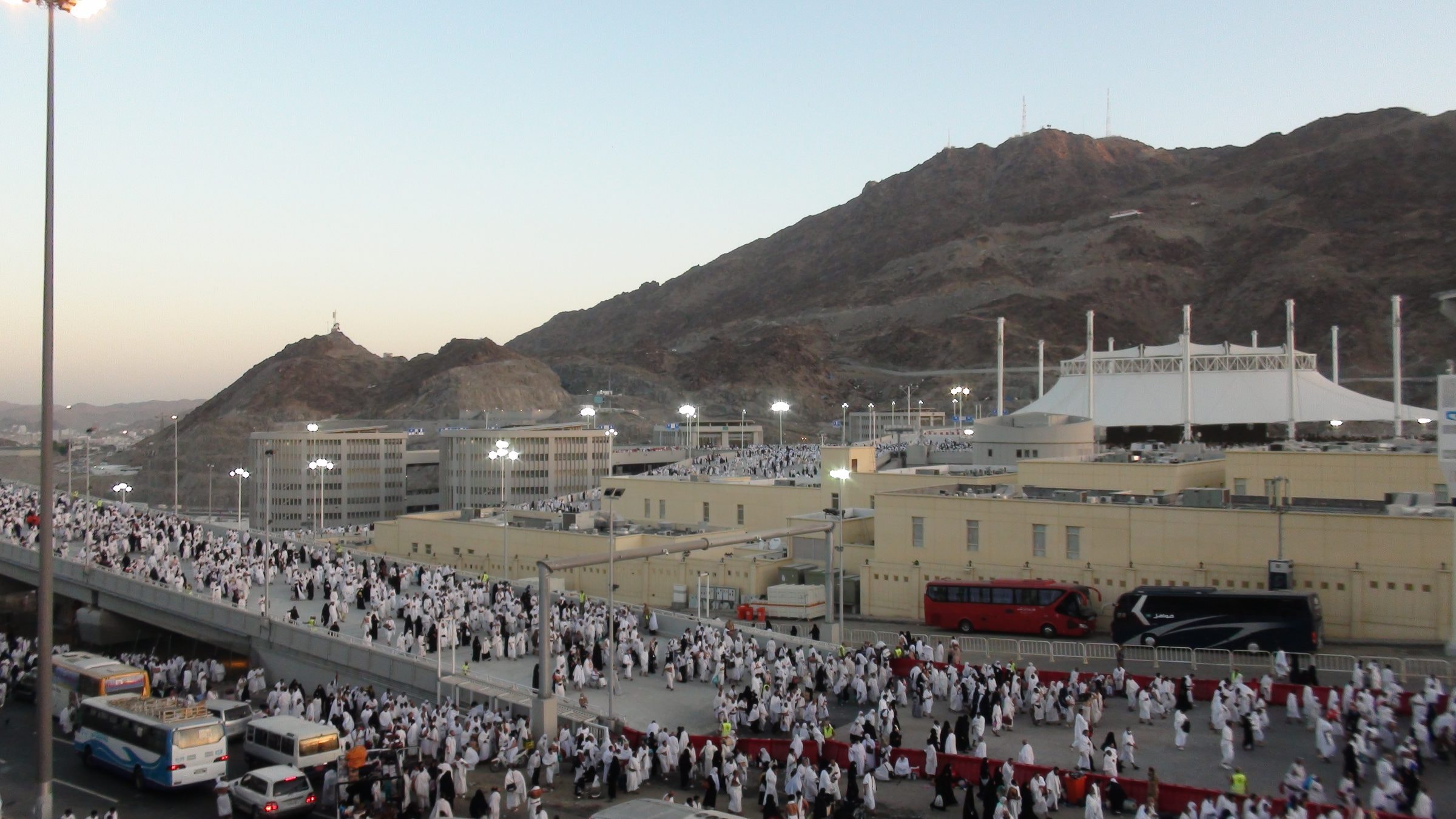
The three ways to perform Hajj
- Tamattu': Umrah in the months of Hajj (Shawwal, Dhul Qadah and the first ten days of Dhul Hijjah), coming out of ihram, then a new ihram for Hajj on the 8th. A sacrifice is due.
- Qiran: one ihram for Umrah and Hajj together, kept on until the Day of Sacrifice. A sacrifice is due.
- Ifrad: ihram for Hajj alone, with no sacrifice due.
How long each takes
Umrah takes a few hours, so you can perform it on the day you arrive and spend the rest of the trip in prayer and visits. The rites of Hajj run over five or six days, and the trip itself is longer, as pilgrims reach Makkah some days before the 8th.
Visas and permits
There is no Hajj without a permit, and permits are given by quota for each country: through your country's Hajj authority and the companies it licenses, or through the official Nusuk Hajj platform in the countries it serves. Residents of Saudi Arabia book domestic Hajj packages on Nusuk. An Umrah or tourist visa can't be used for Hajj, and performing Hajj without a permit brings heavy fines and deportation. In the weeks before Hajj, only permit holders may enter Makkah.
For Umrah, an Umrah visa, a tourist visa and several others will do, along with an Umrah permit from the Nusuk app. Our guide to the Umrah visa and Nusuk has the details.
The reward
The Prophet ﷺ said: "One Umrah to the next is an expiation for what lies between them, and an accepted Hajj has no reward but Paradise" (al-Bukhari and Muslim).
To a woman of the Ansar who had missed Hajj with him, he said: "Umrah in Ramadan is equal to Hajj" (al-Bukhari). It equals Hajj in reward, but it doesn't replace the obligatory Hajj.
The Prophet ﷺ performed four Umrahs, and only one Hajj after the Hijrah, the Farewell Hajj (al-Bukhari).
The rules of ihram are the same for both. You'll find them in our guide to ihram and the miqat.
Find your hotel by the Haram
Compare the walk, the view and the price, then book in minutes.
See the hotelsSources
- Sahih al-Bukhari 1773: Umrah to Umrah, and Hajj mabrur · Checked 9 Nov 2026
- Sahih al-Bukhari 1782: Umrah in Ramadan · Checked 9 Nov 2026
- Sahih al-Bukhari 1780: the Prophet's four Umrahs · Checked 9 Nov 2026
- Sahih al-Bukhari 4404: the Prophet's one Hajj after the Hijrah · Checked 9 Nov 2026
- Jami at-Tirmidhi 889: Hajj is Arafah · Checked 9 Nov 2026
- Riyadh Daily: the Umrah season calendar for 1448 AH (Ministry of Hajj and Umrah) · Checked 9 Nov 2026
- Khaleej Times: likely dates of Eid al-Adha and the Day of Arafah in 2027 · Checked 9 Nov 2026